Je prépare l'ouverture de ma première maison de thé à Nice : un lieu-refuge où déguster, apprendre et choisir ses thés — et découvrir l'art du Kintsugi.
Une légère hausse de prix
Le transport chez mes fournisseurs augmente, et le thé vert connaît une hausse mondiale. Je répercute cette évolution sur une partie de mon catalogue, de façon mesurée, pour continuer à sourcer la même qualité.
Où j'en suis
Le déménagement, c'est maintenant : je m'installe à Nice le 20 août. L'atelier et la recherche du lieu pour l'espace de dégustation avancent sur place. Ouverture visée : 2026.
Investisseurs & partenaires
J'ouvre mon tour de table à des partenaires qui partagent une vision d'artisanat patient et durable. Vous voulez en être ?
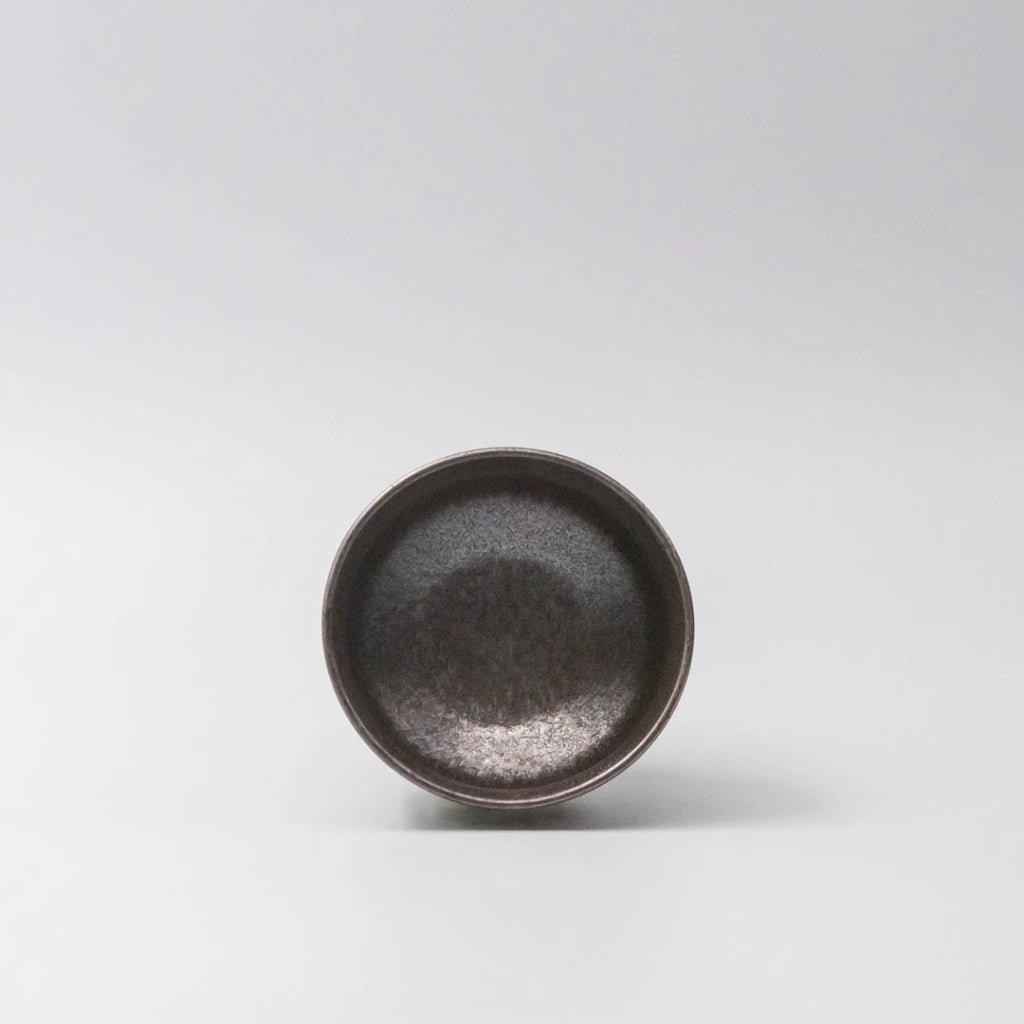
Eclipse Matcha Bowl 350 ml – Black Japanese Ceramic
An authentic bowl where quiet strength meets timeless elegance. Its deep anthracite glaze with subtle metallic sheen elevates your daily matcha ritual. The handcrafted texture of its surface offers a pleasant grip and a unique character to every piece.
No reviews
Regular price
€33,50 EUR
Regular priceSale price
€33,50 EUR
Sale
Sold out
Duties and taxes included.
Shipping calculated at checkout.
Low stock
Quantity
Couldn't load pickup availability
Paiement sécurisé
Expédié sous 48 h
Immerse yourself in the quiet strength of Japanese tradition with this anthracite chawan bowl featuring subtle metallic reflections. Its deep glaze and artisanal texture embody the wabi-sabi aesthetic where beauty and simplicity meet. The generous shape facilitates whisking matcha while the visual contrast between deep black and jade green elevates every tasting.
Anthracite GlazeMetallic ReflectionsWabi-SabiMade in Japan
MATERIALCeramicMaterial
DIMENSIONSØ 10 cmDiameter
USE350 mlCapacity
CAREEasyDishwasher safe
Handcrafted Japanese ceramic | Diameter 10 cm
Only 1 Piece Available
Unique handcrafted artisanal object
Optimal preparation ritual
1. Warm the bowl with hot water, dry gently
2. Sift 2 grams of matcha to remove clumps
3. Pour 80 ml of water at 75-80°C over the powder
4. Whisk vigorously in quick movements until a creamy foam forms
TechniquesDetailed Features
Name
Matcha Eclipse tea bowl
Type
Chawan - Traditional Japanese bowl
Material
Handcrafted Japanese ceramic
Dimensions
Diameter 10 cm - Height 8 cm
Capacity
350 ml (0.35 L)
Finish
Deep anthracite glaze with subtle metallic reflections
Rim
Regular
Manufacturer
Japanese artisans - 12th-century tradition - Imported from Japan
UsageInstructions & Care
Recommended use
This black chawan is specifically designed to visually enhance your ritual. The anthracite base creates a striking contrast with the bright jade green of the matcha, allowing full appreciation of its color and frothy texture. Always preheat the bowl before use to maintain the ideal temperature. The flared shape and sufficiently high edges provide the necessary space for the wide movements of the chasen whisk. The thick ceramic absorbs and redistributes heat evenly, preventing delicate particles from burning.
Care
Daily cleaning: Dishwasher safe. To preserve the shine of the anthracite glaze, prefer rinsing with warm water immediately after use, then wipe with a soft cloth.
Deep cleaning: Use a non-abrasive sponge with mild neutral soap. Avoid harsh detergents that could alter the metallic reflections of the glaze.
Precautions: Since the ceramic is slightly porous, avoid leaving the bowl wet for a long time. Always dry completely before storing. Handle with care to avoid shocks that could cause cracks.
Compatibility
Microwave compatible for reheating your preparations. Ideal for all grades of matcha, from ceremonial to culinary. Also suitable for serving other powdered teas, preparing plant-based lattes, or simply enjoying miso soup or broth in the pure Japanese tradition. The visual contrast of the black base enhances all colorful preparations.
QualityMaterials & Craftsmanship
Selected Materials
Made from high-quality Japanese ceramic, completely free of harmful impurities and heavy metals. The deep anthracite glaze is enriched with mineral particles creating subtle metallic reflections that catch the light differently depending on the viewing angle. This complex finish requires multiple glaze layers and several firings at controlled temperatures. The slightly grainy surface texture offers a pleasant grip and attests to the artisanal craftsmanship. The paints used are free of harmful substances and perfectly resist heat and repeated use.
Manufacturing Process
Each bowl is handcrafted by Japanese artisans who inherit a tradition dating back to the 12th century. The hand-turning process creates natural variations that make each piece absolutely unique. After the initial shaping, the bowl undergoes a first bisque firing. The anthracite glaze is then applied in several thin layers to create the characteristic depth of color. A second high-temperature firing vitrifies the glaze and fixes the metallic reflections. This long and meticulous process guarantees exceptional quality and durability.
Made in JapanFree of Harmful Substances12th Century TraditionUnique Piece
BenefitsWhy Choose This Accessory
Key Features
Striking visual contrast: The deep anthracite base spectacularly highlights the bright jade green of freshly whisked matcha. This visual contrast enhances the sensory experience of tasting and allows you to fully appreciate the quality of your matcha. Each preparation becomes as much an aesthetic moment as a gustatory one.
Timeless wabi-sabi aesthetics: The subtle metallic reflections and artisanal texture perfectly embody the Japanese wabi-sabi philosophy that celebrates beauty in imperfection and simplicity. This bowl harmoniously fits into contemporary, minimalist, or Japanese-inspired interiors. Its understated elegance transcends trends without ever going out of style.
Optimal thermal regulation: The calibrated thickness of the ceramic absorbs excess heat from the poured water, naturally bringing it to the ideal temperature for matcha between 70 and 80 degrees. This physical property prevents burning the fine particles and fully preserves the delicate aromas, antioxidants, and natural sweetness of the tea.
Recommended Uses
Perfect for your daily ritual of preparing traditional matcha, whether ceremonial or culinary. Ideal for Chanoyu tea ceremonies where the bowl’s aesthetics play a central role in the experience. Excellent for preparing matcha lattes, iced matcha lattes, or green smoothies where the visual contrast enhances your creations. Also suitable for elegantly serving miso soups, clear broths, or Japanese desserts. The deep black pairs especially well with cold seasons and evening meditative moments. A refined gift for enthusiasts of Japanese tea and exceptional handcrafted objects.
FAQFrequently Asked Questions
UsageHow to prepare a perfect matcha in this black bowl?
Start by preheating your chawan by pouring hot water into it for one minute, then empty and dry with a clean cloth. Sift 2 grams of matcha into the bowl using a fine sieve to eliminate lumps. Pour 80 ml of water heated between 75 and 80 degrees Celsius. With a moistened bamboo chasen whisk, whisk quickly in W or M motions until you get a creamy, dense foam. The anthracite black base allows you to visually judge the quality of your foam and the intensity of the green color, indicators of a successful preparation.
CareDoes the anthracite glaze stain with matcha?
No, the vitrified anthracite glaze perfectly resists matcha stains. However, like all slightly porous ceramics, it is recommended to rinse the bowl immediately after use with warm water. If a slight greenish tint appears over time, it is part of the natural patina valued in the Japanese wabi-sabi tradition. For deeper cleaning, use a soft sponge with diluted baking soda. The bowl is dishwasher safe, but hand washing better preserves the metallic reflections in the long term. Always dry thoroughly before storing.
CompatibilityCan I use this bowl for preparations other than matcha?
Absolutely. Although designed to enhance matcha through visual contrast, this chawan is suitable for many uses. It is excellent for preparing other powdered teas, plant-based lattes, green smoothies where the black base highlights vibrant colors. You can also use it as a soup bowl to enjoy miso, clear broths, or Asian soups in the pure Japanese tradition. Its 350 ml capacity and ergonomic shape make it versatile. The anthracite-green contrast is matched only by the anthracite-white contrast of frothy milk or anthracite-orange of carrot soup. An object as functional as it is aesthetic for all your culinary creations.
DurabilityWhat is the lifespan of this artisanal bowl?
This Japanese ceramic is known for its remarkable longevity. Used in professional restaurants for over 30 years, it withstands intensive daily use perfectly. Multiple high-temperature firings ensure exceptional strength and resistance to thermal shocks. With proper care and by avoiding violent impacts, your chawan can accompany you for a lifetime. In Japanese tradition, tea bowls are often passed down from generation to generation. The slight surface changes that may appear over time are valued in the wabi-sabi philosophy as testimonies of history and moments shared around the bowl.
DimensionsWhy this specific size of 350 ml?
The 350 ml capacity and 10 cm diameter correspond to the optimal traditional proportions of an authentic Japanese chawan. For standard matcha preparation, about 2 grams of powder are mixed with 80 ml of water, filling about a quarter of the bowl. The remaining space is essential to allow the wide and rapid movements of the chasen whisk that create the characteristic foam. This size also allows the bowl to be comfortably held with both hands to bring it to the mouth in the traditional gesture. The 8 cm height provides sufficient depth to avoid splashes during vigorous whisking. These dimensions have been perfected over centuries by Japanese tea masters.
QualityWhat do the metallic reflections in the enamel mean?
The subtle metallic reflections of this anthracite enamel are created by incorporating specific mineral particles into the enamel composition before firing. These particles, often based on metal oxides, refract light differently depending on the viewing angle, creating shifting shades ranging from deep gray to silver highlights. This complex technique requires precise control of firing temperatures and demonstrates a high level of artisanal mastery. These reflections are not just an aesthetic effect but the signature of superior traditional craftsmanship. Each bowl features unique variations of these reflections, ensuring that your piece is truly one of a kind in the world.
Tout ce qu'il faut savoir pour bien choisir et préparer son thé.
Comment préparer le matcha ?
Tamisez 1 à 2 g de matcha (½ à 1 cuillère bambou) dans un bol. Versez 60–70 ml d'eau à 70–80 °C, puis fouettez vivement en W avec le chasen jusqu'à obtenir une mousse fine.
Quelle température pour infuser le thé vert ?
Entre 70 et 80 °C pour préserver la douceur et éviter l'amertume. 1 à 2 minutes d'infusion suffisent ; vous pouvez réinfuser les feuilles 2 à 3 fois.
Comment conserver mon thé ?
À l'abri de l'air, de la lumière, de l'humidité et des odeurs, dans une boîte hermétique opaque. Évitez le réfrigérateur. Consommez idéalement dans les 12 mois.
Quels sont les délais et frais de livraison ?
Livraison offerte dès 49 € d'achat. Les commandes sont préparées avec soin sous 1 à 3 jours ouvrés et expédiées en France et en Europe.
Proposez-vous des échantillons ?
Oui. Pour de nombreux thés, un format échantillon (environ 10 g, soit 2–3 tasses) est proposé sur la fiche produit afin de découvrir avant de s'engager.
Qu'est-ce que le Kintsugi ?
Le Kintsugi est l'art japonais de réparer la céramique brisée à l'or, en sublimant la cassure plutôt que de la cacher. Une philosophie de la beauté imparfaite, le wabi-sabi.
Vos thés sont-ils bio ?
Une grande partie de ma sélection est issue de l'agriculture biologique certifiée. La certification est indiquée sur chaque fiche produit concernée.
Choosing a selection results in a full page refresh.
Opens in a new window.
Eclipse Matcha Bowl 350 ml – Black Japanese Ceramic€33,50