


Spirit of Africa — honeybush with honey notes, grapefruit & papaya
I offer this South African infusion pairing the honeyed base of honeybush with papaya and grapefruit, for a fruity, caffeine-free tasting.
 Bio certifié • DE-ÖKO-003
Vos retours me sont précieux : laissez un avis au bas de cette page.
Not sure yet? Try the 10g sample first (2–3 cups).
In stock
Couldn't load pickup availability
- Paiement sécurisé
- Expédié sous 48 h
- Échantillons dispo
With Esprit d'Afrique, I offer a caffeine-free infusion structured around South African honeybush. This blend combines the naturally honeyed sweetness of this shrub with the roundness of papaya and the tangy liveliness of grapefruit. A factual creation, designed for moments of relaxation.
Timer
Use our interactive online timer to respect the ideal preparation time of 7 minutes infusion.
CompositionStructure of the fruity infusion
Esprit d'Afrique is based on blending a sweet South African plant with tropical fruit pieces and natural citrus flavors.
Honeybush
A cousin of rooibos, honeybush forms the base of the recipe. Its stems provide a round, honeyed sweetness to the liquor, ensuring no bitterness or astringency, even after prolonged infusion.
Papaya
Dried papaya pieces create a sensation of volume in the mouth. They give the blend a full and exotic texture without making it artificially sweet.
Grapefruit and red fruits
Natural grapefruit flavoring brings the necessary tension. This citrus note awakens the honeyed base by creating a refreshing tangy contrast, while safflower petals dress the dry blend.
ExpertiseMy South African selection
I designed this infusion to offer an end-of-day liquor that retains a true aromatic identity. Honeybush was selected for its ability to carry fruity notes without overpowering them.
For whom?
- To discover: The person looking for a caffeine-free evening hot drink, more expressive than a classic herbal tea.
- For the lover: The fan of fruity teas wanting to find the grapefruit profile on a base that doesn’t interfere with sleep.
- For the enthusiast: The rooibos connoisseur eager to explore the honeyed subtlety of honeybush in a bright and textured recipe.
DetailsFull identity
TipsMy extraction protocol
Reference preparation
I recommend using 2.5 grams of blend for 200 ml of boiling water (100°C). Let infuse covered for 7 minutes. Honeybush perfectly tolerates this high temperature to extract its natural roundness.
Variations
- Tropical iced version: Prepare a concentrated infusion, let it cool to room temperature, then serve over ice with a wedge of fresh grapefruit to enhance the acidity of the liquor.
FAQFrequently Asked Questions
Theine Does this infusion contain theine?
No, honeybush is a shrub endemic to South Africa, from the Fabaceae family. It is naturally and completely free of theine.
Ingredients What is the difference between honeybush and rooibos?
Honeybush offers a naturally more honeyed and sweet aromatic profile than rooibos, with a total absence of astringency, even during a very long infusion.
Aromas What is the role of papaya and grapefruit in this blend?
Dried papaya brings a fruity and exotic roundness to the liquor, while the natural grapefruit aroma adds a tangy tension that balances the sweet base.
Evening Can it be drunk in the evening?
Yes, its complete lack of caffeine and the smoothness of its liquor make it a perfectly suitable drink for after meals or the end of the day.


Tout ce qu'il faut savoir pour bien choisir et préparer son thé.
Comment préparer le matcha ?
Tamisez 1 à 2 g de matcha (½ à 1 cuillère bambou) dans un bol. Versez 60–70 ml d'eau à 70–80 °C, puis fouettez vivement en W avec le chasen jusqu'à obtenir une mousse fine.
Quelle température pour infuser le thé vert ?
Entre 70 et 80 °C pour préserver la douceur et éviter l'amertume. 1 à 2 minutes d'infusion suffisent ; vous pouvez réinfuser les feuilles 2 à 3 fois.
Comment conserver mon thé ?
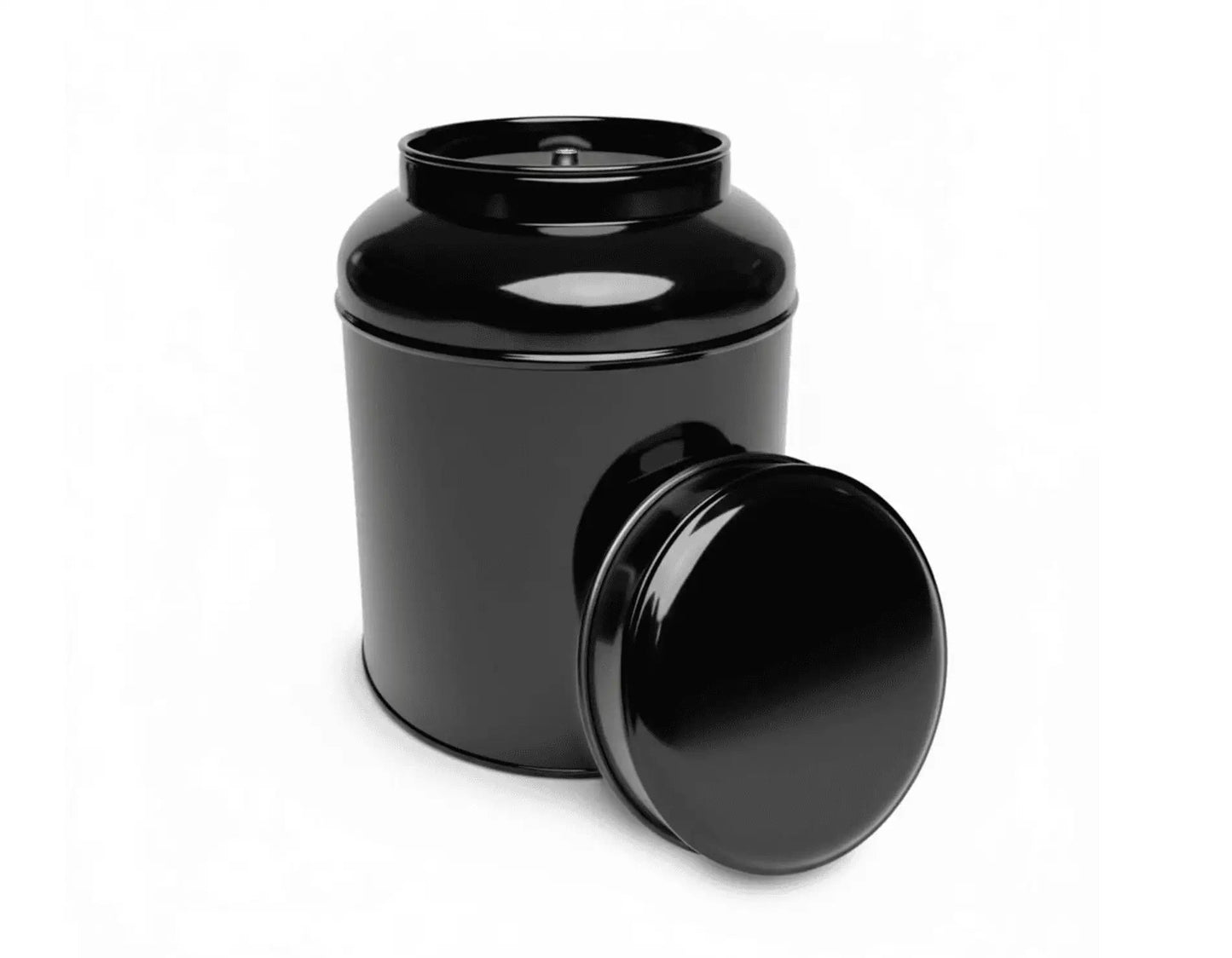
À l'abri de l'air, de la lumière, de l'humidité et des odeurs, dans une boîte hermétique opaque. Évitez le réfrigérateur. Consommez idéalement dans les 12 mois.
Quels sont les délais et frais de livraison ?
Livraison offerte dès 49 € d'achat. Les commandes sont préparées avec soin sous 1 à 3 jours ouvrés et expédiées en France et en Europe.
Proposez-vous des échantillons ?
Oui. Pour de nombreux thés, un format échantillon (environ 10 g, soit 2–3 tasses) est proposé sur la fiche produit afin de découvrir avant de s'engager.
Qu'est-ce que le Kintsugi ?
Le Kintsugi est l'art japonais de réparer la céramique brisée à l'or, en sublimant la cassure plutôt que de la cacher. Une philosophie de la beauté imparfaite, le wabi-sabi.
Vos thés sont-ils bio ?
Une grande partie de ma sélection est issue de l'agriculture biologique certifiée. La certification est indiquée sur chaque fiche produit concernée.