


Original Organic Rooibos from Cederberg — toasted hazelnut, woody, sweet
I offer this authentic red rooibos from Cederberg, grown organically. A natural, caffeine-free infusion with notes of toasted hazelnut.
 Bio certifié • DE-ÖKO-003
Not sure yet? Try the 10g sample first (2–3 cups).
In stock
Couldn't load pickup availability
- Paiement sécurisé
- Expédié sous 48 h
- Échantillons dispo
With this Organic Original Rooibos, I offer an immersion into the exclusive terroir of the Cederberg in South Africa. This endemic shrub produces an amber red liquor completely free of caffeine. Its natural aromatic structure reveals soft notes of roasted hazelnut, without any astringency.
Timer
Use our interactive online timer to respect the ideal preparation time of 5 to 7 minutes of infusion.
CompositionThe authenticity of the Red Bush
Rooibos (Aspalathus linearis) is not a tea but a shrub belonging to the Fabaceae family. This plant produces needle-like leaves similar to pine needles.
The Cederberg terroir
This rooibos comes exclusively from the sandy and acidic soils of the Cederberg Mountains. It is the only ecosystem in the world where this plant naturally grows and offers exploitable taste quality.
Traditional oxidation
After the summer harvest, the leaves are crushed and oxidized in the open air. This precise step allows the color to change from green to deep mahogany red and develops the characteristic roasted cereal and hazelnut notes.
ExpertiseMy selection in South Africa
I selected this specific batch for its strict European organic certification and guaranteed origin from the Western Cape. The absence of artificial fertilizers preserves the aromatic purity of the liquor in the cup.
For whom?
- To discover: The person looking for a hot drink completely free of caffeine, to enjoy from morning to night.
- For the amateur: The herbal tea lover seeking a more robust and woody aromatic profile than a simple floral infusion.
- For the enthusiast: The connoisseur demanding the assurance of a genuine Cederberg rooibos, certified free of chemical residues.
DetailsFull identity
TipsMy extraction protocol
Reference Preparation
I recommend 2.5 grams of rooibos per 250 ml cup. Unlike delicate teas, rooibos leaves require boiling water (100°C). Steep for 5 to 7 minutes to extract aromatic roundness without bitterness.
Variations
- Rooibos Latte: Double the steeping time to get a concentrate, then add heated plant-based milk (oat or almond). The woody notes perfectly blend with the milk’s fat.
FAQFrequently Asked Questions
Theine Does rooibos contain theine?
No, rooibos (Aspalathus linearis) belongs to the Fabaceae family, not the tea plant family. This South African plant is naturally and completely free of theine.
Origin Why does this rooibos come only from the Cederberg?
The Cederberg region in South Africa has a unique Mediterranean microclimate and acidic sandy soils. All global attempts to cultivate rooibos outside this specific terroir have failed.
Processing What is the difference between red and green rooibos?
Traditional red rooibos undergoes oxidation in open air after harvest, giving it its mahogany color and nutty flavor. Green rooibos is heated immediately to block this oxidation, offering a more vegetal profile.
Storage How to store this 100g sachet?
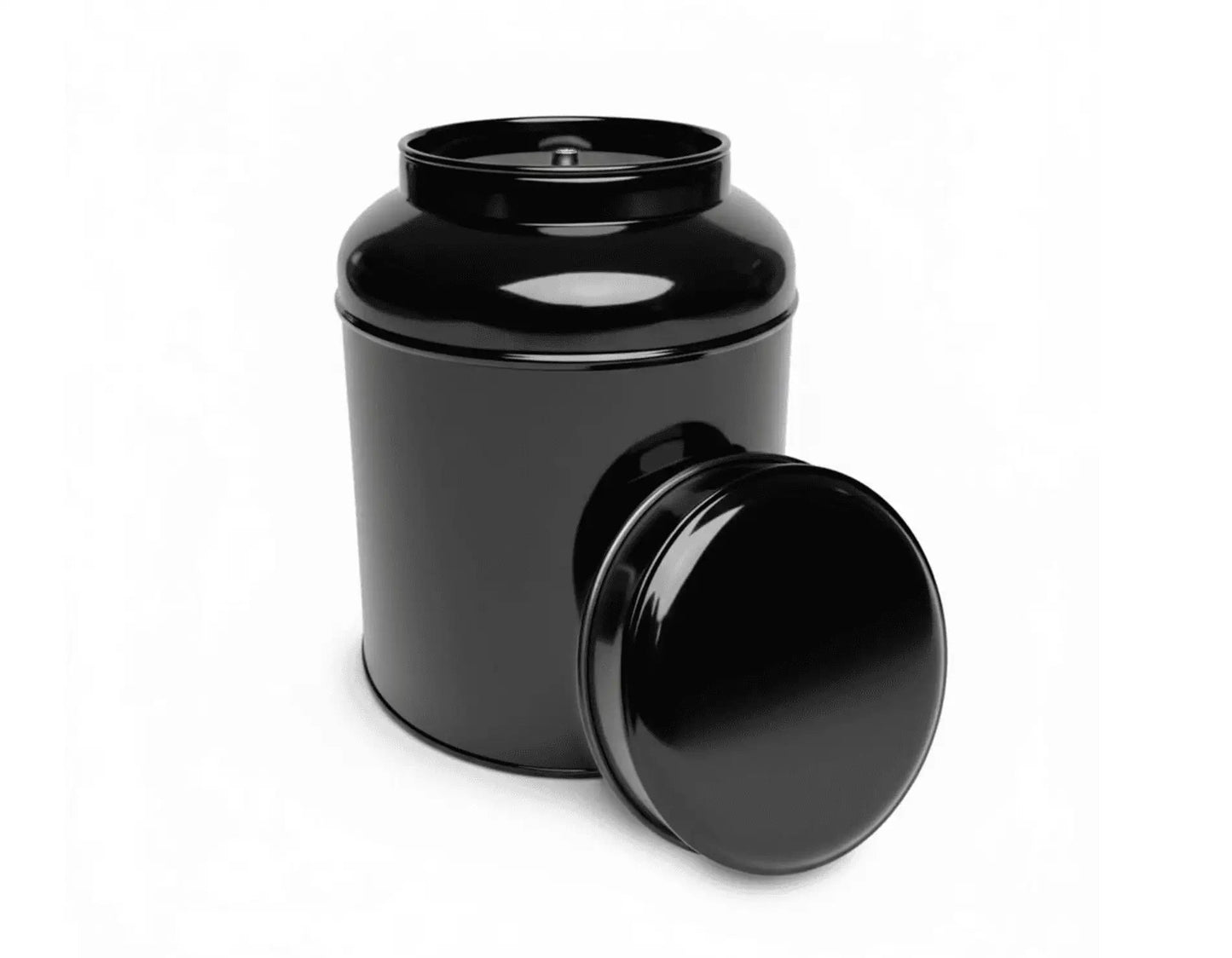
I recommend storing rooibos in an airtight, opaque container at room temperature. Avoid the refrigerator and keep it away from strong spices, as the leaves easily absorb surrounding odors.


Tout ce qu'il faut savoir pour bien choisir et préparer son thé.
Comment préparer le matcha ?
Tamisez 1 à 2 g de matcha (½ à 1 cuillère bambou) dans un bol. Versez 60–70 ml d'eau à 70–80 °C, puis fouettez vivement en W avec le chasen jusqu'à obtenir une mousse fine.
Quelle température pour infuser le thé vert ?
Entre 70 et 80 °C pour préserver la douceur et éviter l'amertume. 1 à 2 minutes d'infusion suffisent ; vous pouvez réinfuser les feuilles 2 à 3 fois.
Comment conserver mon thé ?
À l'abri de l'air, de la lumière, de l'humidité et des odeurs, dans une boîte hermétique opaque. Évitez le réfrigérateur. Consommez idéalement dans les 12 mois.
Quels sont les délais et frais de livraison ?
Livraison offerte dès 49 € d'achat. Les commandes sont préparées avec soin sous 1 à 3 jours ouvrés et expédiées en France et en Europe.
Proposez-vous des échantillons ?
Oui. Pour de nombreux thés, un format échantillon (environ 10 g, soit 2–3 tasses) est proposé sur la fiche produit afin de découvrir avant de s'engager.
Qu'est-ce que le Kintsugi ?
Le Kintsugi est l'art japonais de réparer la céramique brisée à l'or, en sublimant la cassure plutôt que de la cacher. Une philosophie de la beauté imparfaite, le wabi-sabi.
Vos thés sont-ils bio ?
Une grande partie de ma sélection est issue de l'agriculture biologique certifiée. La certification est indiquée sur chaque fiche produit concernée.