


Organic Pai Mu Tan — the White Peony from Fujian, floral and crystalline
I offer this specialty white tea from the mountains of Fujian. Its large leaves offer a golden, floral liquor, naturally low in caffeine.
 Bio certifié • DE-ÖKO-003
Vos retours me sont précieux : laissez un avis au bas de cette page.
Not sure yet? Try the 10g sample first (2–3 cups).
In stock
Couldn't load pickup availability
- Paiement sécurisé
- Expédié sous 48 h
- Échantillons dispo
With this Organic Pai Mu Tan (White Peony) I offer a pure expression of Fujian expertise. This specialty white tea, composed of a silver bud and two young leaves, offers a crystalline liquor with a rare floral sweetness, ideal for those seeking finesse without bitterness.
Timer
Use our interactive online timer to respect the ideal preparation time of 5 minutes infusion.
CompositionThe imperial Bai Mu Dan harvest
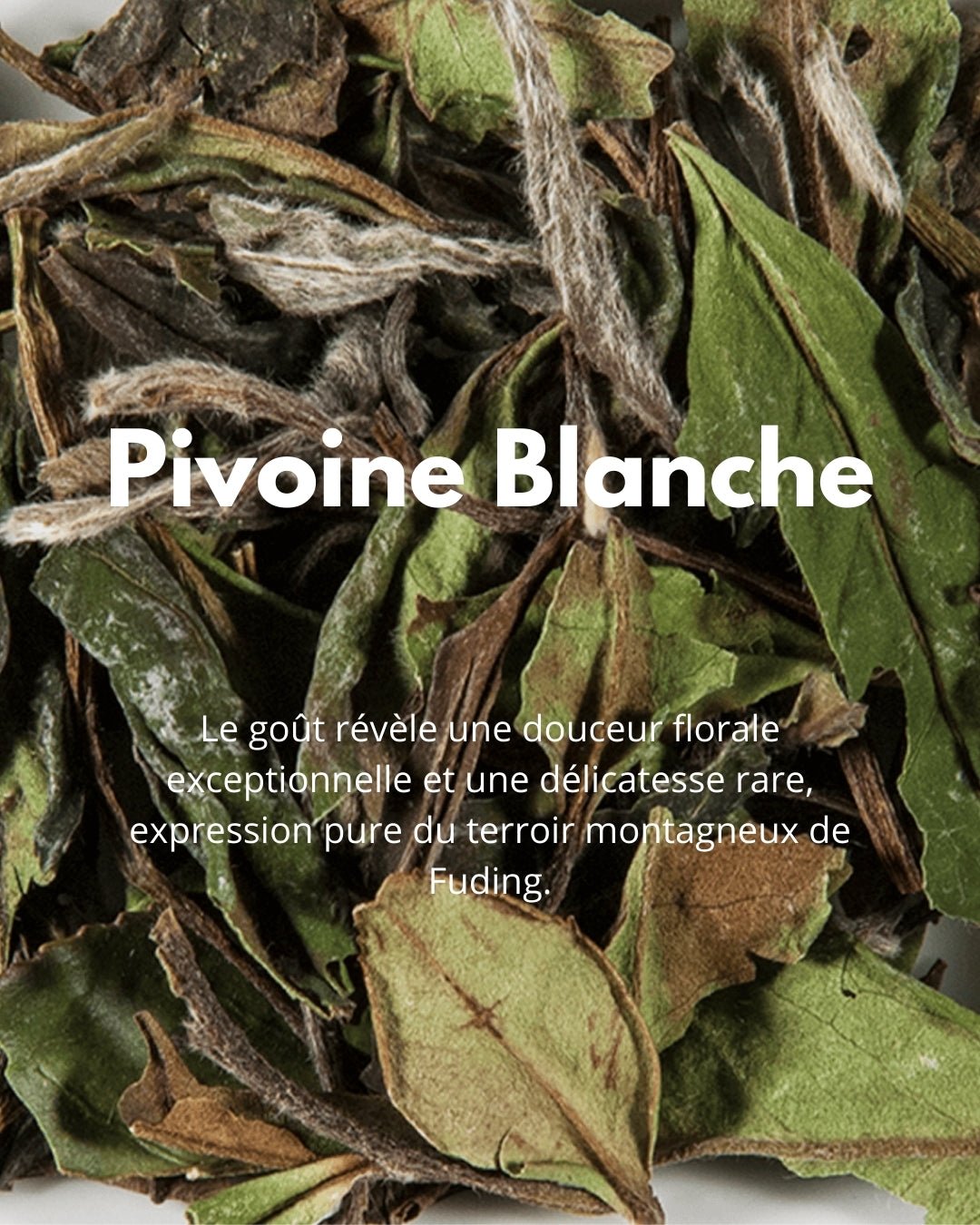
Pai Mu Tan is distinguished by a selective spring harvest. It gathers the terminal bud, still fuzzy, and the following two leaves.
Minimal processing
It is the least processed tea in the world. The leaves are simply withered in the sun then air-dried. This absence of frying or steaming gently stops oxidation, preserving the molecular integrity of the plant.
Cup profile
The liquor is a bright straw yellow. The mouthfeel is silky, with persistent notes of white flowers and a slightly sweet finish reminiscent of fresh hay and honey.
ExpertiseMy Fujian selection
I sourced this tea from the Fuding region, historically recognized as the cradle of white teas. The mountainous and humid climate favors slow growth of the tea plants, concentrating catechins and amino acids.
For whom?
- To discover: The amateur wishing to discover white tea through a gentle introduction, without any astringency.
- For the amateur: The regular drinker seeking a tea rich in polyphenols to accompany workdays without overstimulation.
- For the enthusiast: The connoisseur demanding whole leaf grade and organic certification guaranteeing no chemical residues.
DetailsFull identity
TipsMy extraction protocol
Reference preparation
I recommend heating the water between 80°C and 85°C. Use 2.5 grams of leaves for 250 ml of water. Let infuse for 4 to 6 minutes. White tea leaves are bulky: a heaping tablespoon generally corresponds to the right dosage.
Variations
- Iced version: Place 10 grams of leaves in one liter of room temperature water, then let steep in the refrigerator for 8 hours. You will get a floral nectar of absolute purity.
- Multiple infusions: This grade easily supports 2 to 3 successive brews, slightly increasing the infusion time each time.
FAQFrequently Asked Questions
Origin Why does Pai Mu Tan come exclusively from Fujian?
The Fujian province offers a unique terroir with a mild climate, morning fogs, and mineral-rich soils, ideal conditions for growing Da Bai tea trees.
Type What is the difference between Pai Mu Tan and green tea?
White tea undergoes minimal processing (withering and sun drying) without frying or steaming. This preserves its antioxidants and gives it a smoothness without bitterness.
Sleep Does Pai Mu Tan contain a lot of caffeine?
No, it contains little caffeine (about 15-30 mg per cup), making it a relaxing drink, ideal for the afternoon or end of the day.
Quantity How many cups can be prepared with this 100g bag?
With a dosage of 2.5g per cup, this 100g bag allows you to prepare about 40 individual infusions.

Tout ce qu'il faut savoir pour bien choisir et préparer son thé.
Comment préparer le matcha ?
Tamisez 1 à 2 g de matcha (½ à 1 cuillère bambou) dans un bol. Versez 60–70 ml d'eau à 70–80 °C, puis fouettez vivement en W avec le chasen jusqu'à obtenir une mousse fine.
Quelle température pour infuser le thé vert ?
Entre 70 et 80 °C pour préserver la douceur et éviter l'amertume. 1 à 2 minutes d'infusion suffisent ; vous pouvez réinfuser les feuilles 2 à 3 fois.
Comment conserver mon thé ?
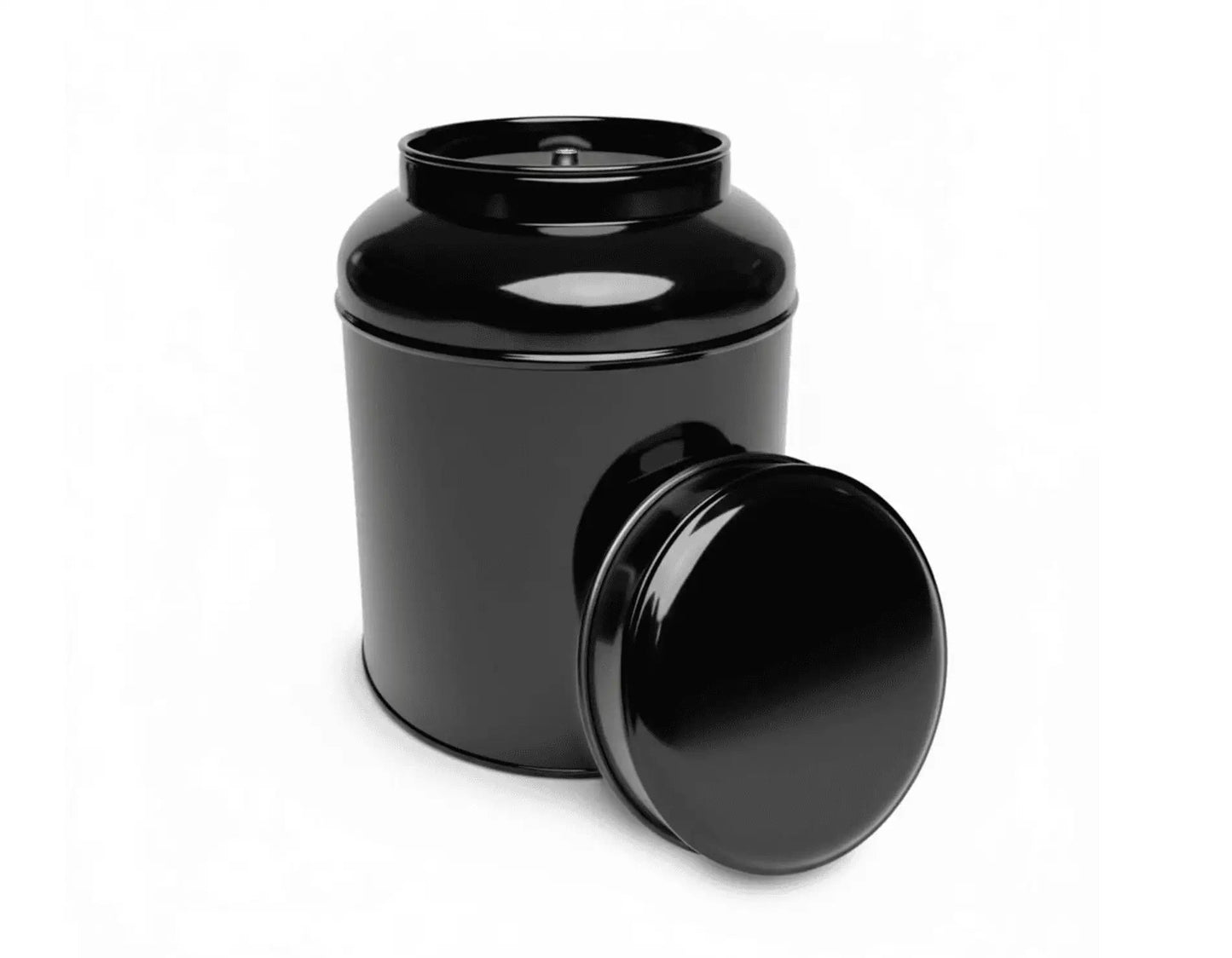
À l'abri de l'air, de la lumière, de l'humidité et des odeurs, dans une boîte hermétique opaque. Évitez le réfrigérateur. Consommez idéalement dans les 12 mois.
Quels sont les délais et frais de livraison ?
Livraison offerte dès 49 € d'achat. Les commandes sont préparées avec soin sous 1 à 3 jours ouvrés et expédiées en France et en Europe.
Proposez-vous des échantillons ?
Oui. Pour de nombreux thés, un format échantillon (environ 10 g, soit 2–3 tasses) est proposé sur la fiche produit afin de découvrir avant de s'engager.
Qu'est-ce que le Kintsugi ?
Le Kintsugi est l'art japonais de réparer la céramique brisée à l'or, en sublimant la cassure plutôt que de la cacher. Une philosophie de la beauté imparfaite, le wabi-sabi.
Vos thés sont-ils bio ?
Une grande partie de ma sélection est issue de l'agriculture biologique certifiée. La certification est indiquée sur chaque fiche produit concernée.