Je prépare l'ouverture de ma première maison de thé à Nice : un lieu-refuge où déguster, apprendre et choisir ses thés — et découvrir l'art du Kintsugi.
Une légère hausse de prix
Le transport chez mes fournisseurs augmente, et le thé vert connaît une hausse mondiale. Je répercute cette évolution sur une partie de mon catalogue, de façon mesurée, pour continuer à sourcer la même qualité.
Où j'en suis
Le déménagement, c'est maintenant : je m'installe à Nice le 20 août. L'atelier et la recherche du lieu pour l'espace de dégustation avancent sur place. Ouverture visée : 2026.
Investisseurs & partenaires
J'ouvre mon tour de table à des partenaires qui partagent une vision d'artisanat patient et durable. Vous voulez en être ?
I selected this great Taiwanese classic (Formosa) for its natural sweetness. Its whole rolled leaves release an amber liquor with fruity and floral notes, without any bitterness.
1 review
Vos retours me sont précieux : laissez un avis au bas de cette page.
Not sure yet? Try the 10g sample first (2–3 cups).
Regular price
€11,99 EUR
Regular priceSale price
€11,99 EUR
Sale
Sold out
Duties and taxes included.
Shipping calculated at checkout.
In stock
Quantity
Couldn't load pickup availability
Paiement sécurisé
Expédié sous 48 h
Échantillons dispo
With this Formosa Oolong (Taiwan), I offer an absolute classic of semi-oxidized teas. Its whole rolled leaves, with golden brown hues, release an amber liquor of great softness. A straightforward tea, naturally sweet and caressing, ideal for a serene approach to the Oolong family.
SoftNaturally sweetFruityFloral
TEMP90-95°CTemperature
TIME3-4 minInfusion
DOSE2,5 gPer cup
CAFFEINEModerateLevel
119.90 EUR/kg | 0.30 EUR per cup | 40 cups (100g bag)
Infusion timer
Use my interactive online timer to respect the 3 to 4 minute infusion time, necessary for the rolled leaves to open without rushing.
Here we have a semi-oxidized tea, whose partial fermentation offers a natural bridge between the freshness of a green tea and the structure of a black tea.
Whole rolled leaves
The Camellia sinensis leaves are harvested whole, gently withered, then rolled into small irregular pellets. This unique structure protects the aromas. When in contact with hot water, they slowly unfurl, offering a gentle extraction and allowing multiple infusions without ever producing bitterness.
Cup profile
This medium oxidation gives a remarkably balanced profile. The amber liquor is rounder, sweeter, and subtly more woody than a green tea, while maintaining a fluidity absent from classic black teas.
ExpertiseMy Taiwan selection
I selected this Oolong for the typical aromatic signature of Taiwanese terroirs: a naturally sweet softness expressed with great elegance.
For whom?
To discover: The amateur seeking a comforting and naturally sweet drink, without the sometimes confusing bitterness of a classic green tea.
For the amateur: The regular drinker wishing to explore the complexity of semi-oxidized teas with a reference that is both accessible and floral.
For the enthusiast: The connoisseur demanding an authentic Formosa Oolong, structured and designed for multiple infusions.
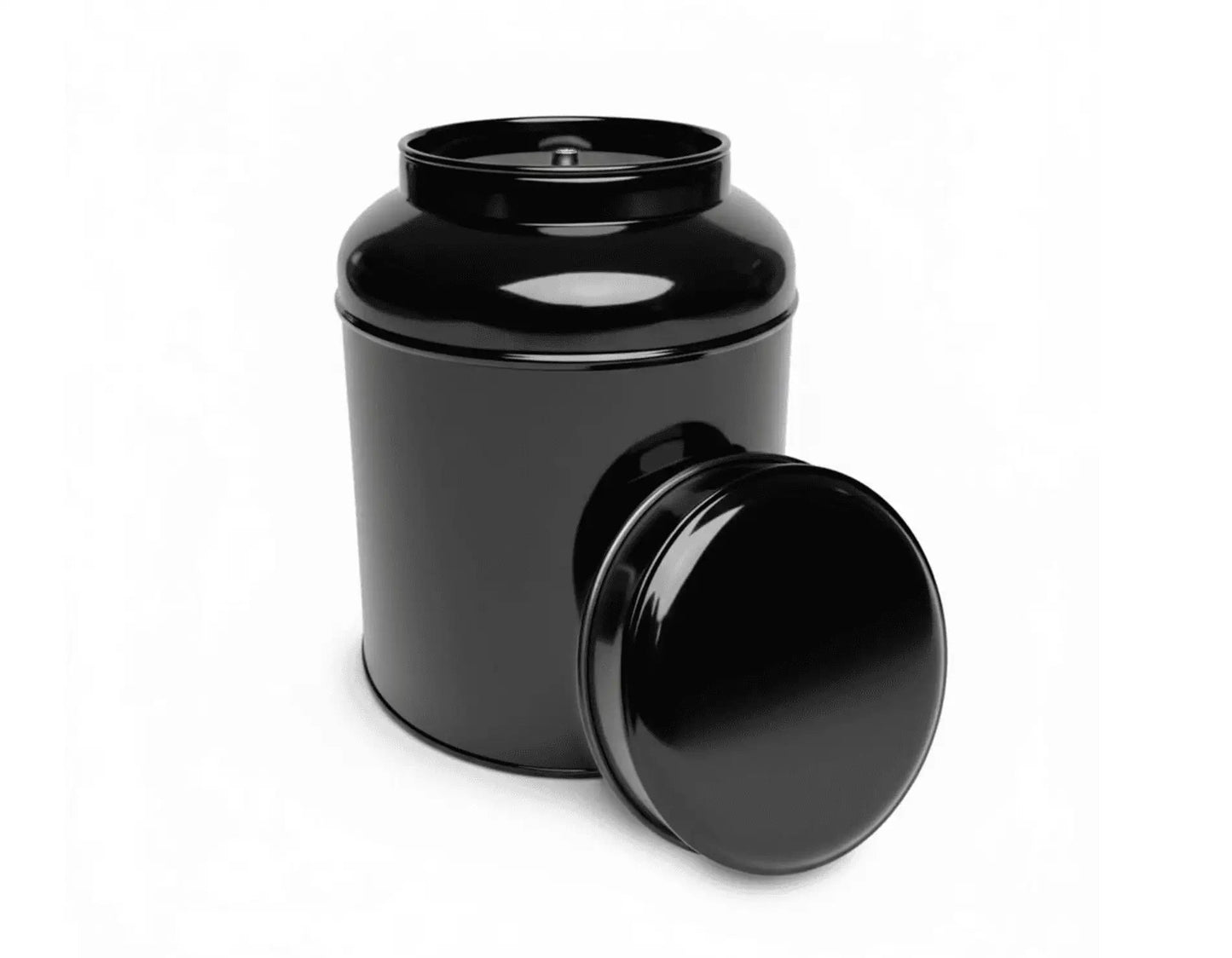
In an airtight container, away from moisture and odors.
TipsMy extraction protocol
The discovery cup
Use 2.5 grams of leaves for 250 ml of water heated between 90°C and 95°C. Infuse for 3 minutes. You will get a very smooth, indulgent liquor with light honey and summer fruit notes. This is the ideal approach to understand the nature of an Oolong.
The art of reinfusion
Second infusion: Reinfuse the same leaves for 4 minutes. The fruity side intensifies, revealing slight woody notes typical of Taiwanese teas.
Third infusion: A 5-minute brew will reveal more mineral and vegetal nuances, perfect for gently closing the tasting.
The art of sharing: Serve this Oolong during a moment of reading or creative work. Its natural sweetness helps concentration without causing a spike in excitement.
FAQFrequently Asked Questions
OriginWhy call it "Formosa"?
Formosa ("the beautiful") is the old name given to the island of Taiwan by Portuguese sailors. In the tea world, this name has endured through the centuries to designate certain historic and authentic Oolongs from the island.
OxidationWhat is the difference from green tea?
Green tea is fixed immediately after harvest (very lightly oxidized). Formosa Oolong undergoes a withering and partial oxidation phase that transforms bitter tannins into softer, rounder, and fruitier notes.
EnergyCan I drink it at the end of the day?
The caffeine content is moderate (about 30 to 50 mg). It’s much less than coffee, but theine is still present. If you are very sensitive, opt for a short infusion in the late afternoon and avoid drinking it just before bedtime.
TastingShould the leaves be discarded after the first cup?
Absolutely not. High-quality Taiwanese Oolongs are rolled into pearls to open gradually. You would miss out on the best aromas by making only one infusion.
Julien Salut — Artisan and Founder of THÉ.ŌLOGYA carefully selected range of specialty teas, sourced and prepared with exacting standards. Soon discover our tea house and Kintsugi workshop on the French Riviera (Nice).
Tout ce qu'il faut savoir pour bien choisir et préparer son thé.
Comment préparer le matcha ?
Tamisez 1 à 2 g de matcha (½ à 1 cuillère bambou) dans un bol. Versez 60–70 ml d'eau à 70–80 °C, puis fouettez vivement en W avec le chasen jusqu'à obtenir une mousse fine.
Quelle température pour infuser le thé vert ?
Entre 70 et 80 °C pour préserver la douceur et éviter l'amertume. 1 à 2 minutes d'infusion suffisent ; vous pouvez réinfuser les feuilles 2 à 3 fois.
Comment conserver mon thé ?
À l'abri de l'air, de la lumière, de l'humidité et des odeurs, dans une boîte hermétique opaque. Évitez le réfrigérateur. Consommez idéalement dans les 12 mois.
Quels sont les délais et frais de livraison ?
Livraison offerte dès 49 € d'achat. Les commandes sont préparées avec soin sous 1 à 3 jours ouvrés et expédiées en France et en Europe.
Proposez-vous des échantillons ?
Oui. Pour de nombreux thés, un format échantillon (environ 10 g, soit 2–3 tasses) est proposé sur la fiche produit afin de découvrir avant de s'engager.
Qu'est-ce que le Kintsugi ?
Le Kintsugi est l'art japonais de réparer la céramique brisée à l'or, en sublimant la cassure plutôt que de la cacher. Une philosophie de la beauté imparfaite, le wabi-sabi.
Vos thés sont-ils bio ?
Une grande partie de ma sélection est issue de l'agriculture biologique certifiée. La certification est indiquée sur chaque fiche produit concernée.
Choosing a selection results in a full page refresh.