Je prépare l'ouverture de ma première maison de thé à Nice : un lieu-refuge où déguster, apprendre et choisir ses thés — et découvrir l'art du Kintsugi.
Une légère hausse de prix
Le transport chez mes fournisseurs augmente, et le thé vert connaît une hausse mondiale. Je répercute cette évolution sur une partie de mon catalogue, de façon mesurée, pour continuer à sourcer la même qualité.
Où j'en suis
Le déménagement, c'est maintenant : je m'installe à Nice le 20 août. L'atelier et la recherche du lieu pour l'espace de dégustation avancent sur place. Ouverture visée : 2026.
Investisseurs & partenaires
J'ouvre mon tour de table à des partenaires qui partagent une vision d'artisanat patient et durable. Vous voulez en être ?
Japanese Bancha — mild everyday green tea, grassy and relaxing
I offer you this great Japanese everyday classic. Harvested in summer, this Bancha green tea with mature leaves reveals a remarkably gentle, herbaceous liquor, naturally low in caffeine to accompany you all day long.
No reviews
Not sure yet? Try the 10g sample first (2–3 cups).
Regular price
€15,68 EUR
Regular priceSale price
€15,68 EUR
Sale
Sold out
Duties and taxes included.
Shipping calculated at checkout.
In stock
Quantity
Couldn't load pickup availability
Paiement sécurisé
Expédié sous 48 h
Échantillons dispo
With this Bancha, I offer the great daily classic of Japan. Its long summer leaves, steamed, provide a very gentle liquor with fresh and herbal notes. Naturally low in caffeine, it perfectly accompanies your meals or relaxation moments, at any time.
The name Bancha traditionally refers to the "ordinary tea" or "everyday tea" in Japan. This humility actually hides a true gustatory identity.
Summer harvest
Unlike Sencha, harvested in spring, Bancha comes from later pickings (summer and early autumn). The leaves, having benefited from prolonged sunlight, are larger and thicker. They become rich in minerals while their theine content naturally decreases.
Cup profile
The liquor, a pale straw yellow, reveals a very gentle aroma. On the palate, the intense umami of spring teas gives way to a simple and comforting vegetal freshness, with a beautiful roundness and no harsh astringency.
Know-howMy selection of Japanese tradition
I selected this Bancha to offer a reassuring green tea, easy to drink casually, without complex protocols.
For whom?
To discover: The enthusiast looking for a refreshing and mild drink, with very little theine, to enjoy throughout the day.
For the amateur: The green tea drinker seeking a less iodine-rich and less stimulating alternative to the premium Japanese spring teas.
For the enthusiast: The connoisseur appreciating traditional table teas (Bancha, Hojicha, Kukicha) ideal for accompanying Asian cuisine.
Origin JapanSteaming MethodWhole Leaves
DetailsFull identity
Name
Japan Bancha
Type
Unoxidized Japanese green tea
Origin
Japan
Harvest
Summer (Third and fourth harvests)
Caffeine
Low (About 20 mg per cup)
Profile
Mild, herbaceous, round, and very smooth.
Format
100g bag (about 40 cups)
Time
All day or during meals.
Storage
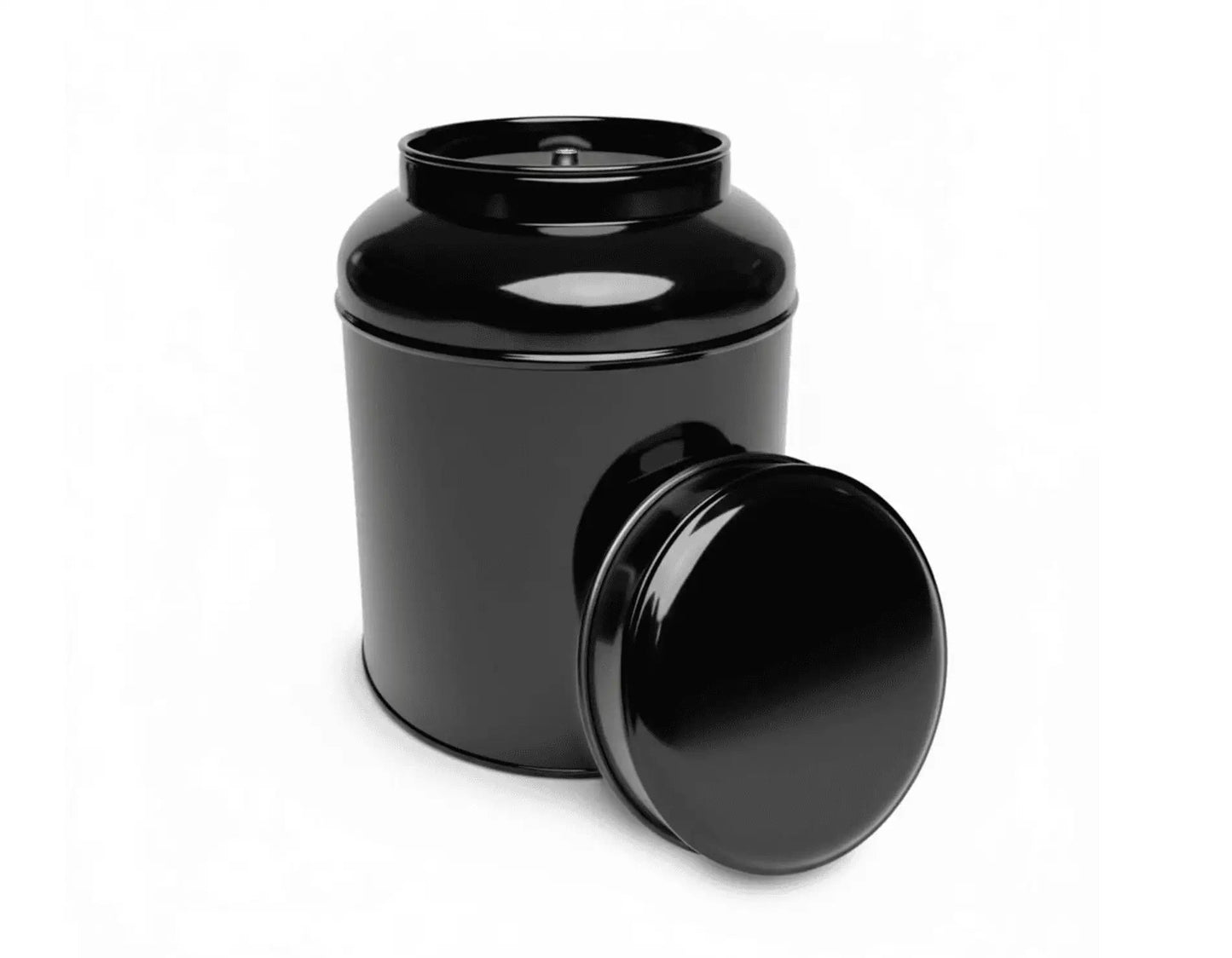
In an airtight, opaque container.
TipsMy extraction protocol
Reference Preparation
The thick leaves of Bancha tolerate slightly hotter water than other Japanese green teas. Heat your water to 85°C. Use 2.5 grams of leaves for 250 ml. Brew for 2 minutes. The liquor should be bright and free of bitterness.
Variations
Japanese Reinfusion: Bancha withstands a second infusion (1 minute at 90°C). The vegetal notes will be more pronounced.
Express Iced Tea: Overdose (5g), brew for 2 minutes hot, then immediately pour over a bed of ice cubes. The herbaceous freshness will be amplified.
The art of sharing: In Japan, Bancha is often served at the table. Its natural mildness allows it to "cleanse" the palate without altering the taste of sushi, rice, or light dishes.
FAQFrequently Asked Questions
GradeWhat is the difference between Sencha and Bancha?
Sencha comes from the first spring harvests, rich in umami and caffeine. Bancha uses the larger, mature leaves from summer harvests. Its profile is milder, less iodine-like, and naturally lower in caffeine.
TheineCan I drink this tea late in the day?
Yes. Its low theine content (about 20 mg per cup) makes it an excellent companion for the afternoon and evening, without the risk of insomnia for most drinkers.
TemperatureWhy brew at 85°C?
The large mature leaves of Bancha are sturdier than the young spring shoots. They require slightly hotter water to release their full vegetal aromatic range without becoming bitter.
TasteIs it a bitter tea?
Not at all. It is one of the mildest green teas. It lacks the strong astringency of Chinese Gunpowder teas and the sometimes divisive marine umami of certain premium Japanese teas. It is a very comforting herbaceous sweetness.
Julien Salut — Artisan and Founder of THÉ.ŌLOGYA carefully selected range of specialty teas, sourced and prepared with exacting standards. Soon discover our tea house and Kintsugi workshop on the French Riviera (Nice).
Tout ce qu'il faut savoir pour bien choisir et préparer son thé.
Comment préparer le matcha ?
Tamisez 1 à 2 g de matcha (½ à 1 cuillère bambou) dans un bol. Versez 60–70 ml d'eau à 70–80 °C, puis fouettez vivement en W avec le chasen jusqu'à obtenir une mousse fine.
Quelle température pour infuser le thé vert ?
Entre 70 et 80 °C pour préserver la douceur et éviter l'amertume. 1 à 2 minutes d'infusion suffisent ; vous pouvez réinfuser les feuilles 2 à 3 fois.
Comment conserver mon thé ?
À l'abri de l'air, de la lumière, de l'humidité et des odeurs, dans une boîte hermétique opaque. Évitez le réfrigérateur. Consommez idéalement dans les 12 mois.
Quels sont les délais et frais de livraison ?
Livraison offerte dès 49 € d'achat. Les commandes sont préparées avec soin sous 1 à 3 jours ouvrés et expédiées en France et en Europe.
Proposez-vous des échantillons ?
Oui. Pour de nombreux thés, un format échantillon (environ 10 g, soit 2–3 tasses) est proposé sur la fiche produit afin de découvrir avant de s'engager.
Qu'est-ce que le Kintsugi ?
Le Kintsugi est l'art japonais de réparer la céramique brisée à l'or, en sublimant la cassure plutôt que de la cacher. Une philosophie de la beauté imparfaite, le wabi-sabi.
Vos thés sont-ils bio ?
Une grande partie de ma sélection est issue de l'agriculture biologique certifiée. La certification est indiquée sur chaque fiche produit concernée.
Choosing a selection results in a full page refresh.
Opens in a new window.
Japanese Bancha — mild everyday green tea, grassy and relaxing€3,00