


Organic Sencha from Shizuoka — the iodine-rich green from the slopes of Mount Fuji
I selected this organic Sencha grown on the slopes of Mount Fuji in Shizuoka (Japan). A steamed green tea, offering a bright liquor with distinct iodine-like and vegetal notes.
 Bio certifié • DE-ÖKO-003
Not sure yet? Try the 10g sample first (2–3 cups).
In stock
Couldn't load pickup availability
- Paiement sécurisé
- Expédié sous 48 h
- Échantillons dispo
With this Organic Sencha, I offer a beautiful expression of the Shizuoka terroir, cultivated on the green slopes of Mount Fuji. This steamed green tea reveals a bright olive green liquor with a pronounced iodized and herbal character. A factual summer harvest that offers beautiful aromatic intensity for connoisseurs.
Brewing timer
Use my interactive online timer to precisely respect extraction and guarantee a balanced cup, without tipping into bitterness.
CompositionSteamed Green Tea – Rolled Leaves
This Sencha comes exclusively from tea bushes grown on the mountainous slopes of Mount Fuji in Shizuoka, Japan's leading producing region benefiting from an ideal mild climate. Harvested during the summer period, it undergoes meticulous manual sorting to remove unwanted fragments, ensuring a fine and harmonious texture.
Traditional processing method
The term sencha literally means "steamed tea." Freshly harvested leaves are lightly steamed to inactivate oxidation enzymes, thus preserving their bright green color and beneficial compounds. They are then gently rolled before controlled drying.
Aromatic and flavor profile
The liquor reveals a bright olive green color typical of Shizuoka productions. The flavor profile is concise and assertive, dominated by iodized notes reminiscent of seaweed, accompanied by fresh and vegetal herbal nuances. The persistent aftertaste reveals a beautiful structure, characteristic of authentic Japanese green teas.
Know-howMy Shizuoka selection
I selected this Sencha for its authenticity and direct connection to the volcanic terroir of Mount Fuji. The summer harvest offers mature leaves with a strong character, perfect for regular drinkers.
For whom?
- To discover: The enthusiast wishing to discover the true "iodized taste" of Japan, straightforward and refreshing, in a pure green tea.
- For the amateur: The regular drinker seeking a balanced organic Sencha to accompany meals or for daily consumption.
- For the enthusiast: The connoisseur demanding a traceable product from the gardens of Shizuoka, crafted according to the strict Japanese steaming method.
DetailsFull Identity
TipsMy extraction protocol
Reference preparation
To fully reveal the iodine aromas of sencha, use water at 75-80°C. Too high a temperature would extract bitterness and mask the subtle marine notes. Use 3.5 grams of leaves per 250 ml cup. Steep for 1 to 2 minutes depending on desired strength. Fully strain the liquor to avoid over-infusion at the bottom of the teapot.
Variations
- Multiple infusions: This sencha handles 2 to 3 successive infusions very well. Reduce the steeping time to 30-45 seconds for the second cup while slightly increasing the water temperature.
- Iced tea (Mizudashi): Steep 10 grams in 1 liter of cold water in the refrigerator for 4 to 6 hours. The vegetal and marine aromas will be extremely mild and refreshing.
FAQFrequently Asked Questions
Origin Why is Shizuoka Sencha renowned?
Shizuoka produces nearly 40% of Japan’s national tea production. Volcanic soils enriched by Mount Fuji and morning mists create ideal conditions to cultivate tea plants with a powerful vegetal aromatic profile.
Method What is the steaming method?
Steaming involves exposing fresh leaves to water vapor for about thirty seconds. This process stops oxidation, preserving the bright green color of the leaves and locking in the typical marine aromas of Japan.
Taste Why does this tea have an iodine taste?
The iodine taste, reminiscent of nori seaweed, is natural and comes from the plant itself when grown in Japanese terroirs and steamed. It is a highly sought-after mark of authenticity.
Energy Does it contain a lot of caffeine?
The content is moderate. The presence of L-theanine (a relaxing amino acid) balances the caffeine, providing stable energy and promoting concentration without causing nervousness. Just avoid late evening if you are sensitive to it.


Tout ce qu'il faut savoir pour bien choisir et préparer son thé.
Comment préparer le matcha ?
Tamisez 1 à 2 g de matcha (½ à 1 cuillère bambou) dans un bol. Versez 60–70 ml d'eau à 70–80 °C, puis fouettez vivement en W avec le chasen jusqu'à obtenir une mousse fine.
Quelle température pour infuser le thé vert ?
Entre 70 et 80 °C pour préserver la douceur et éviter l'amertume. 1 à 2 minutes d'infusion suffisent ; vous pouvez réinfuser les feuilles 2 à 3 fois.
Comment conserver mon thé ?
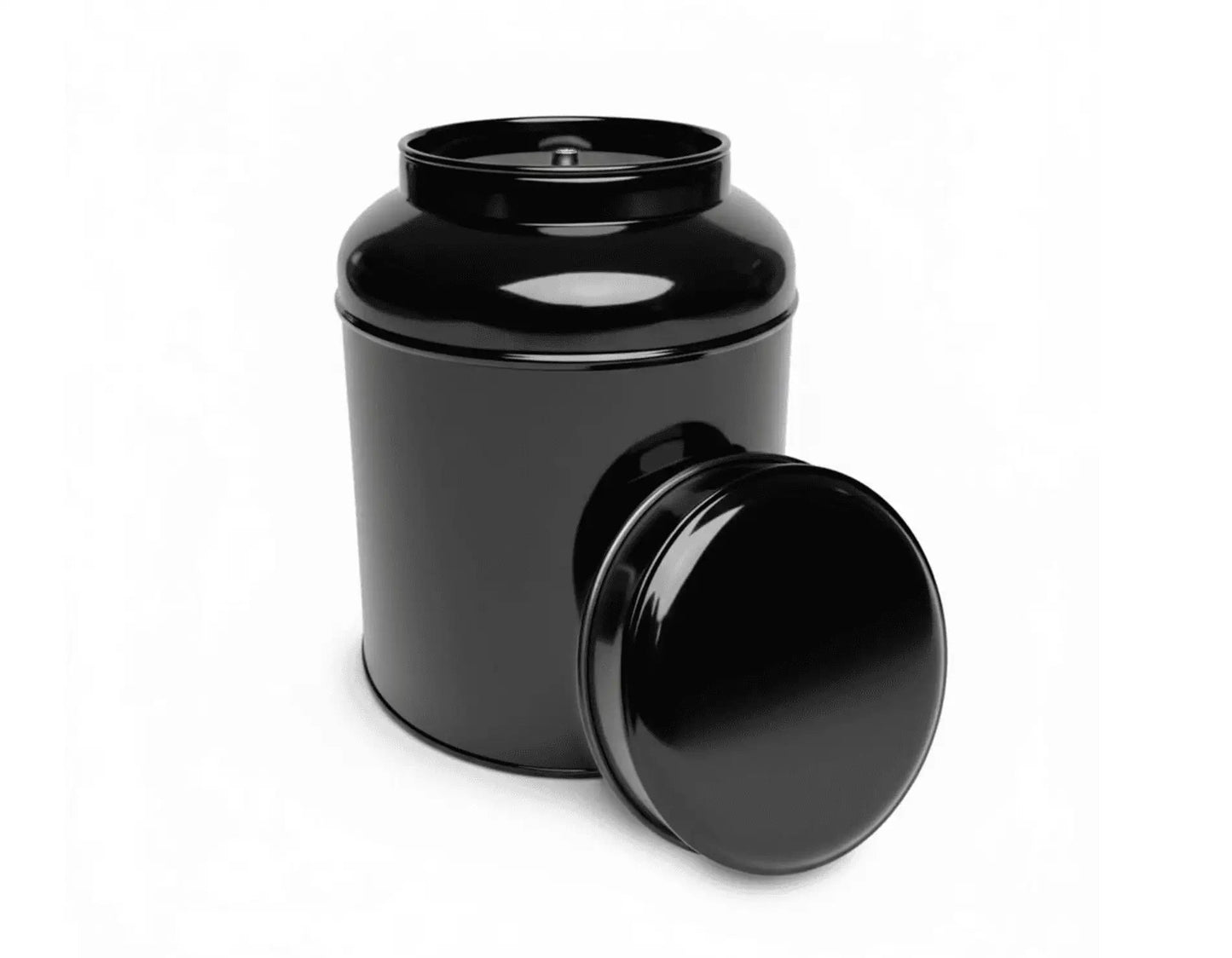
À l'abri de l'air, de la lumière, de l'humidité et des odeurs, dans une boîte hermétique opaque. Évitez le réfrigérateur. Consommez idéalement dans les 12 mois.
Quels sont les délais et frais de livraison ?
Livraison offerte dès 49 € d'achat. Les commandes sont préparées avec soin sous 1 à 3 jours ouvrés et expédiées en France et en Europe.
Proposez-vous des échantillons ?
Oui. Pour de nombreux thés, un format échantillon (environ 10 g, soit 2–3 tasses) est proposé sur la fiche produit afin de découvrir avant de s'engager.
Qu'est-ce que le Kintsugi ?
Le Kintsugi est l'art japonais de réparer la céramique brisée à l'or, en sublimant la cassure plutôt que de la cacher. Une philosophie de la beauté imparfaite, le wabi-sabi.
Vos thés sont-ils bio ?
Une grande partie de ma sélection est issue de l'agriculture biologique certifiée. La certification est indiquée sur chaque fiche produit concernée.